 How-to
Can You Actually Avoid Rideshare Surge Pricing?
Last Updated: October 25, 2026
Quick Summary
You can avoid surge pricing by waiting out the spike, since it usually eases within 15 to 30 minutes after a peak passes, or by shifting your trip 20 minutes earlier. Moving your pickup point a block or two can also drop the fare, and the only way to lock a price is a provider with upfront fares and no surge multiplier.
- Surge pricing is triggered by rush hour, bad weather, event let-outs, bar closing time and clustered airport arrivals.
- Scheduling a ride in advance reserves a driver but does not lock the fare against real-time demand at pickup.
- Under about 20% above your normal fare, book and move on rather than waiting.
- More than 50% above normal, compare public transit, taxis, carpooling or intercity buses before committing.
- Screenshot the upfront price before booking so you can dispute a higher final charge the same day.
Table of Contents
- Why Surge Pricing Happens and How to Spot It Before You Book
- When Does Uber Surge Pricing End? Timing Your Ride Around Peak Demand
- Does Scheduling Uber Avoid Surge Pricing? What Advance Booking Actually Locks In
- Wait, Walk, or Book: A Step-by-Step Decision Process
- Rideshare Price Comparison Apps and Fare Transparency
- Alternatives to Rideshare During Surge Pricing
- Verify Your Final Fare and Dispute Unexpected Charges
- Book a Ride With Upfront Fares and No Surge Multiplier
- Frequently Asked Questions
Why Surge Pricing Happens and How to Spot It Before You Book
Surge pricing is a temporary fare increase that rideshare apps apply when rider demand outpaces available drivers.
The logic is simple supply and demand. When many people request rides at once and few drivers are nearby, the app raises the fare to pull more drivers into the area.
Here is what pushes fares up:
- Rush hour, when commuters all request rides at once
- Rain, snow, or any weather that slows traffic
- Concerts, games, and events letting out
The multiplier is not random. For a deeper look at why rideshare apps use surge pricing, the mechanics are explained in full.
Reading the Surge Indicator and Upfront Price
Most apps show a surge indicator, a heat map, or a warning banner before you confirm. Read it before you tap request.
The upfront price is your best signal. If the fare looks much higher than usual for that route, surge is active. A fare estimate from a calmer hour gives you a baseline to compare against.
For a full breakdown of what goes into that number, see how rideshare fares are calculated.
When Does Uber Surge Pricing End? Timing Your Ride Around Peak Demand
Surge pricing ends when demand drops or enough drivers move into the area, usually within 15 to 30 minutes after a peak passes.
So the timing question has a practical answer: wait out the spike, or travel before it starts.
When surge is most likely:
- Weekday mornings and evenings during rush hour
- Friday and Saturday nights around bar closing time
- Right after major events end
If you can shift your trip by 20 minutes, you often dodge the worst of it. Peak-period travel is predictable, and predictable is avoidable.
Does Scheduling Uber Avoid Surge Pricing? What Advance Booking Actually Locks In
No, scheduling a ride in advance does not reliably prevent surge pricing. Advance booking reserves a driver and a pickup window, but the fare is still tied to real-time demand when the trip actually begins. This is the question riders ask most often, and most guides answer it with a one-liner. Here is the mechanism behind it.
How a scheduled fare is actually calculated
When you schedule a ride, the app typically shows an estimated fare based on current conditions for that route and time. That number is an estimate, not a contract. Between the moment you schedule and the moment you are picked up, three things can move the price:
- Demand at pickup time. If a storm, event let-out, or transit disruption hits your pickup window, the multiplier can apply even though you booked days earlier.
- Driver availability. A scheduled request is dispatched to a driver near your pickup time. If few drivers are online in that zone, the app may need to pay more to attract one, and that cost can flow to your fare.
- Route or destination changes. If you edit the destination or add stops after booking, the original estimate no longer applies and the fare is recalculated at the then-current rate.
A common pattern is that the scheduled estimate holds if conditions at pickup match conditions at booking. When they diverge, the final fare can too.
What scheduling does and does not protect
What scheduling gives you:
- A confirmed driver assigned to a pickup window, which matters most for early flights and fixed appointments
- Less last-minute scrambling when you need to leave at a specific time
- A better shot at airport-ready timing during predictable crunch periods
What scheduling does not give you:
- A guaranteed final price if demand spikes at pickup
- Protection from multiplier changes between booking and ride start
- A refund of the difference if the fare rises and you accept the ride anyway
How to reduce your exposure when you schedule
- Screenshot the estimate at booking. It is your baseline if the final fare comes in higher.
- Recheck the fare 30 to 60 minutes before pickup. If the app shows a surge warning, you still have time to adjust your plan.
- Keep the destination fixed. Editing it mid-booking resets the estimate.
- Know the cancellation window. Most apps let you cancel a scheduled ride within a set period before pickup without a fee; confirm the window in the app before you rely on it.
- Compare against a provider with upfront fares. If price certainty matters more than scheduling convenience, a provider that does not use a surge multiplier is the only way to lock the number you see.
Treat advance booking as a way to secure the ride, not the rate. For predictable pricing, you need a provider that does not use a surge multiplier at all.
Wait, Walk, or Book: A Step-by-Step Decision Process
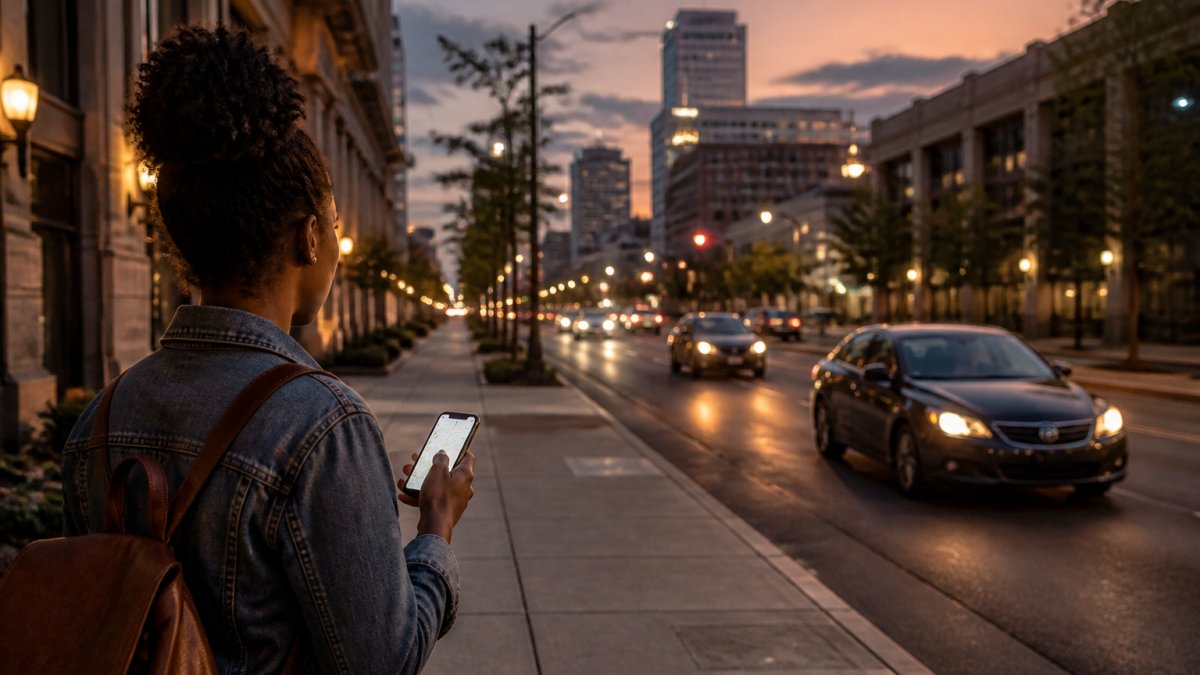
When the fare looks high, the right move depends on three variables: how steep the spike is, how much time you have, and whether moving your pickup point is safe and practical. Use this decision process instead of guessing.
Step 1: Quantify the spike
Check the surge indicator and the upfront price, then compare it to your normal fare for that route. A rough rule most riders use:
- Under about 20% above normal: book and move on. The time you save is worth more than the difference.
- Roughly 20% to 50% above normal: worth a short wait or a pickup change if you have the time.
- More than 50% above normal: compare other transport modes before you commit.
These thresholds are judgment calls, not published rules, but they give you a consistent way to decide instead of reacting to the number in front of you.
Step 2: Decide whether you can wait
Surge usually eases within 15 to 30 minutes after a peak passes. If you can wait:
- Set a timer for 10 to 15 minutes.
- Recheck the upfront price.
- If it has dropped meaningfully, book. If not, move to Step 3.
Step 3: Decide whether walking is safe and worth it
Moving your pickup point a block or two can drop the fare if you leave a high-demand zone. But walking is not the right answer for every rider or every trip.
Ask yourself:
- Is it daylight and well-lit? If not, the fare savings may not be worth the safety trade-off.
- Is the walk under about five minutes? Longer walks rarely save enough to justify the time.
- Can you walk to a main street or populated corner? Avoid isolated side roads and unlit lots.
If you do walk, share your live trip with someone you trust, keep your phone charged and visible, and stay on main streets. If you use a Femme-Safe option matched with women drivers, moving to a safer pickup point pairs well with that added layer of security.
Step 4: Compare other transport modes before you book
If waiting and walking are not viable, check alternatives before you accept a steep fare. A quick comparison often pays off:
- Public transit for short, fixed routes, slower but usually far cheaper.
- Walking or biking for trips under a mile.
- Taxis, some operate flat rates or metered fares that do not surge, though availability can be limited during peak demand.
For a full breakdown of your choices, see the best ways to travel between cities.
Step 5: Commit once
After you have checked the spike, the wait, the walk, and the alternatives, decide once and act. Repeatedly reopening the app and second-guessing usually costs more time than it saves, and it can lead to cancellation fees. The trade-off is always time versus money versus safety, match the choice to the trip, not to the number alone.
When the fare looks high, these are the thresholds most riders use to decide whether to book, wait, or look elsewhere.
| Fare vs. normal | What to do |
|---|---|
| Under about 20% above normal | Book and move on |
| Roughly 20% to 50% above normal | Short wait or pickup change if time allows |
| More than 50% above normal | Compare other transport modes before committing |
Rideshare Price Comparison Apps and Fare Transparency
Fare comparison apps let you check estimates across services before you request. They help, but they have limits.
What they do well:
- Show side-by-side estimates
- Reveal which service is surging hardest
- Save you from guessing
What they miss:
- Estimates are not final fares
- A cheap estimate can climb once demand shifts
- Not every provider appears in every app
The real fix for fare transparency is a provider that shows an upfront price and sticks to it. That is the difference between an estimate and a promise.
Alternatives to Rideshare During Surge Pricing
When surge hits hard, other options often cost less. A quick fare comparison across transport modes pays off.
- Public transit for short, fixed routes
- Walking or biking for trips under a mile
- Cabs, which may have flat rates
For a full breakdown of your choices, see the best ways to travel between cities.
The trade-off is time and flexibility. Transit is cheaper but slower. Walking is free but only works for short distances. Match the option to the trip.
Verify Your Final Fare and Dispute Unexpected Charges
Check your receipt after every ride. The final fare should match the upfront price you agreed to. If it does not, act quickly.
Steps to dispute a charge:
- Screenshot the upfront price before you book.
- Compare it to the final charge on your receipt.
- File a dispute in the app the same day.
- Note the trip time, route, and driver details.
- Follow up if you do not hear back within a few days.
A common mistake is waiting too long. Most apps have a short window for disputes. Keep your screenshots and act fast.
Watch out: a fare can change if you alter the destination mid-trip. Confirm any route change in the app so the price updates before you arrive.
Book a Ride With Upfront Fares and No Surge Multiplier
The cleanest way to avoid surge pricing is to use a provider that does not charge it. At ZENDARYDE, every ride comes with an upfront fare and zero surge multiplier.
Here is what that means in practice:
- Upfront fares with no surprise multipliers
- A Femme-Safe option matched with women drivers
- One-tap SOS alerts with live trip sharing
You can see our upfront fare options before you book, and if you want to know who we are, the details are there.
Frequently Asked Questions
Why is surge pricing happening right now?
Surge pricing kicks in when rider demand outpaces available drivers in a specific area. Common triggers include rush hour, bar closing times, concerts, stadium events, and bad weather that slows traffic. The app raises the multiplier to pull more drivers toward the busy zone. Checking the surge indicator before you request a ride shows whether a multiplier is active and how it affects your upfront price, so you can decide to wait or move to a nearby area first.
Does scheduling a ride in advance avoid surge pricing?
Scheduling does not guarantee a surge-free fare. Most apps quote a price at booking, but if demand spikes when your scheduled pickup time arrives, the final fare can still reflect dynamic pricing depending on the service. Scheduling helps you lock in a pickup window, not a fixed rate. If predictable pricing matters, choose a platform that advertises upfront fares with no surge multiplier rather than relying on advance booking alone.
How long does surge pricing usually last?
There is no fixed duration. Surge pricing ends when demand drops or enough drivers move into the surge zone, which can take anywhere from a few minutes after a concert lets out to over an hour during rush hour. Watching the surge map and rechecking the fare estimate every few minutes is the most reliable way to catch the moment the multiplier falls. If you are not time-pressed, waiting often beats paying the peak fare.
Can comparing rideshare apps help me avoid surge pricing?
Yes. Surge zones and multipliers differ by app because each has its own driver supply and demand algorithm. Opening two or three apps and comparing the upfront price for the same trip takes under a minute and can reveal a cheaper option when one service is surging and another is not. Price comparison apps and built-in fare estimates make this faster, and checking alternative transportation like transit or a taxi can also undercut a surged fare.
Surge pricing is a solvable problem, not a fact of life. Waiting, walking, and timing your trips all help, but none of them beat a fare that never surges in the first place. Get started with ZENDARYDE and lock in a predictable price on your next ride.