 Ultimate guide
Why Rideshare Apps Use Surge Pricing: How It Works
Table of Contents
- What Surge Pricing Is and Why Rideshare Apps Use It
- How Rideshare Surge Pricing Works: Supply, Demand, and the Algorithm
- Who Benefits From Surge Pricing (and Who Pays for It)
- How to See Surge Pricing on Uber
- Real-World Example: A Transparent Fare Breakdown
- How to Avoid Surge Pricing Without Wasting Time
- How Surge Pricing Differs Across Platforms and Markets
- Limits, Criticism, and Consumer Protections
- Frequently Asked Questions
Last Updated: October 17, 2026
What Surge Pricing Is and Why Rideshare Apps Use It
Surge pricing is a dynamic pricing model that temporarily raises ride fares when demand outpaces the number of available drivers in a given area.
The core logic is simple: when more people request rides than there are drivers to serve them, prices rise. This guide from ZENDARYDE breaks down the mechanics, the trade-offs, and what riders and drivers can realistically expect.
Most explanations stop at "prices go up when it's busy." That misses the part that actually matters: surge pricing is a coordination tool, not a revenue grab.
How Rideshare Surge Pricing Works: Supply, Demand, and the Algorithm
The pricing algorithm continuously compares ride requests against available drivers within small geographic areas called surge zones.
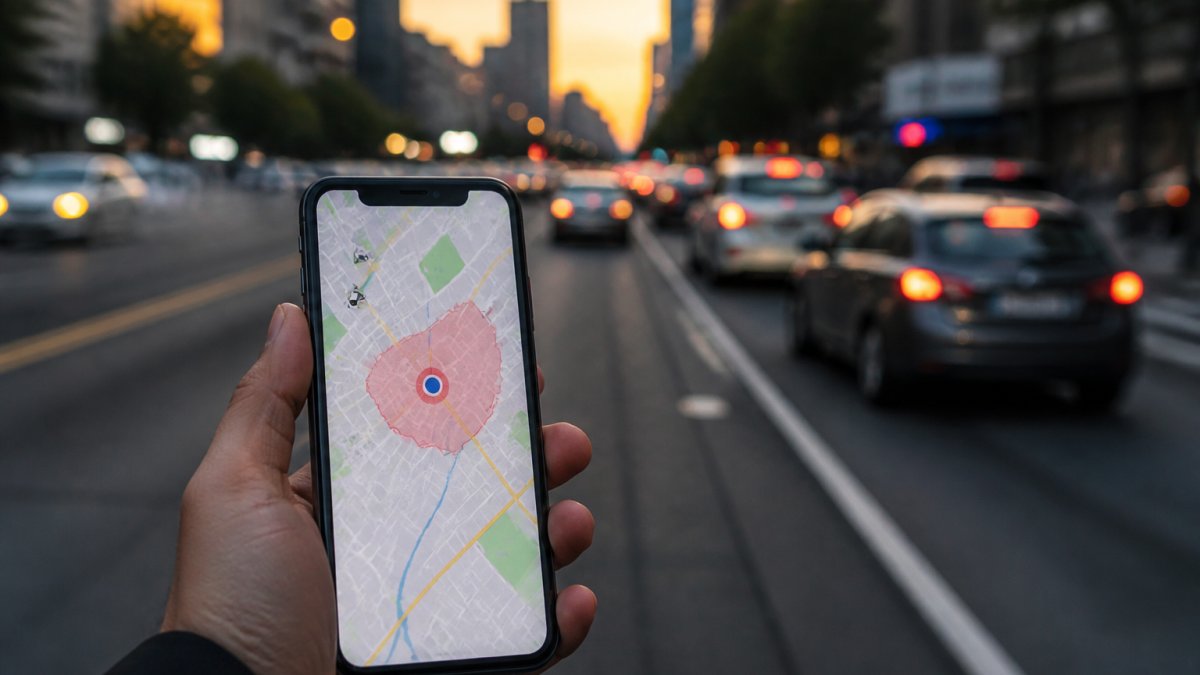
The system draws on real-time data: how many drivers are online, where they are, how many ride requests are open, and how conditions like traffic, weather, and local events are likely to shift demand in the next few minutes.
When Surge Pricing Is Triggered
Surge pricing typically triggers during peak hours, bad weather, major events, and airport demand spikes, when ride requests outpace available drivers in a specific surge area. The multiplier scales with the imbalance: a mild shortage produces a small bump, while a severe one can push the multiplier much higher. Platforms generally cap the maximum multiplier to prevent extreme pricing.
Who Benefits From Surge Pricing (and Who Pays for It)
Drivers benefit most from surge pricing because higher fares increase driver earnings per trip and create a driver incentive to reposition toward busy areas. Riders pay more during high-demand periods, but they also gain access to a ride when supply would otherwise leave them waiting.
That trade-off is the honest answer to who benefits from surge pricing. A rider facing a steep multiplier may decide to wait, switch modes, or split the trip with friends.
How to See Surge Pricing on Uber
Uber displays surge pricing directly in the app: affected areas appear shaded on the map, and the fare estimate updates before you confirm the ride.
To see surge pricing on Uber clearly, open the map, watch for shaded zones, and enter your destination to get an upfront fare estimate. The app typically shows the multiplier near the fare or highlights the affected area.
Real-World Example: A Transparent Fare Breakdown
Most explanations of surge pricing stay abstract. A worked example makes the mechanism concrete, and shows why a higher rider fare does not automatically mean a proportionally higher driver payout.
Assumptions for the sample trip
To keep the math honest, here is a clearly labeled hypothetical. These are illustrative rates, not a quote from any specific platform:
- Trip distance: 6 miles, 15 minutes of drive time
- Base fare: $2.50
- Per-mile rate: $1.20
Normal conditions (1.0x)
| Component | Calculation | Amount |
|---|---|---|
| Base fare | Flat | $2.50 |
| Distance | 6 mi × $1.20 | $7.20 |
| Time | 15 min × $0.25 | $3.75 |
| Fare subtotal | Sum of above | $13.45 |
| Surge multiplier | 1.0x (no change) | $0.00 |
| Booking/service fee | Flat | $2.00 |
| Rider total (pre-tip) | $15.45 | |
| Platform commission | 25% of $13.45 fare portion | $3.36 |
| Driver payout (pre-tip) | $13.45 − $3.36 | $10.09 |
| Tip | Passed through | $3.00 |
| Driver total | $13.09 |
High-demand conditions (1.8x)
| Component | Calculation | Amount |
|---|---|---|
| Base fare | Flat | $2.50 |
| Distance | 6 mi × $1.20 | $7.20 |
| Time | 15 min × $0.25 | $3.75 |
| Fare subtotal | Sum of above | $13.45 |
| Surge multiplier | 1.8x applied to fare subtotal | +$10.76 |
| Booking/service fee | Flat | $2.00 |
| Rider total (pre-tip) | $26.21 | |
| Platform commission | 25% of $24.21 surged fare portion | $6.05 |
| Driver payout (pre-tip) | $24.21 − $6.05 | $18.16 |
| Tip | Passed through | $3.00 |
| Driver total | $21.16 |
What the numbers reveal
- The rider pays about 70% more under surge ($26.21 vs. $15.45), but the driver's pre-tip payout rises about 80% ($18.16 vs. $10.09). The gap exists because the flat booking fee does not scale with the multiplier.
- The surge multiplier applies to the fare portion (base + distance + time), not to the booking fee or the tip. That is why a 1.8x multiplier does not produce a fare that is exactly 1.8 times the total.
- A percentage-based commission means the platform's dollar take also rises during surge. Riders who assume every extra dollar goes to the driver are working from an incomplete picture.
When you see a fare estimate, separate the components before deciding. A high total on a long trip may simply reflect distance and time; a high total on a short trip is more likely a multiplier. Comparing the fare breakdown, not the headline number, is the only reliable way to tell.
How to sanity-check a real fare
- Open the fare breakdown before confirming.
- Note whether a multiplier line appears and what it applies to.
- Compare the per-mile and per-minute lines to your normal trip cost.
- Check whether the booking fee changed, a flat fee that does not scale is a sign the multiplier is scoped to the fare portion.
- If the multiplier looks steep, recheck the estimate from a pickup point just outside the shaded zone.
Sample rates vary widely by platform and market. The structure above, base, distance, time, multiplier, fee, commission, tip, is the common pattern, but the actual percentages and caps are set by each platform and can change. Treat the dollar figures as a teaching example, not a price quote.
How to Avoid Surge Pricing Without Wasting Time
The most reliable way to avoid surge pricing is to shift your timing or location: travel outside peak hours, walk a short distance out of a surge zone, or wait for demand to ease. Flexible scheduling and fare-splitting with friends also reduce the per-person cost when a surge is unavoidable.
Practical ways to respond to a surge:
- Wait it out. Surges are usually short-lived; a few minutes can bring the multiplier down.
- Move to the edge of the zone. Pickup a block or two outside the shaded area often resets the fare.
- Split the ride. Guest booking and fare-splitting features let a group divide the cost.
- Schedule ahead. Booking a ride in advance can lock in pricing before a predictable peak.
- Compare options. Check whether a nearby pickup point or a different time produces a lower estimate.
Platforms that offer upfront fares with zero surge pricing remove this guesswork entirely by showing a predictable price before you book.
How Surge Pricing Differs Across Platforms and Markets
Surge pricing is not one policy. Platforms differ on four levers that riders and drivers can actually observe: how the multiplier is scoped, how it is displayed, whether it is capped, and how the platform's fee structure interacts with it.
The four levers that separate platforms
- Multiplier scope. Some platforms apply the multiplier to the entire fare portion (base + distance + time); others apply it only to the distance and time components, leaving the base fare flat. The difference matters most on short trips, where the base fare is a larger share of the total.
- Display and disclosure. Upfront-fare platforms show a single locked price before booking. Multiplier-based platforms show a shaded map and a multiplier near the estimate. A few show the multiplier only after the ride is requested. Disclosure timing is the biggest driver of rider complaints.
- Caps and floors. Many platforms cap the maximum multiplier during normal conditions but may lift or adjust the cap during declared emergencies or extreme weather. Caps are usually disclosed in the platform's help center rather than in the app itself.
- Fee interaction. A flat booking fee does not scale with the multiplier, so the effective surge percentage a rider pays is lower on long trips than on short ones. Percentage-based commissions, by contrast, scale with the surged fare, which affects both platform revenue and driver payout.
How market conditions change the picture
- Dense urban cores with many online drivers tend to see short, mild surges because the request-to-driver ratio recovers quickly. The multiplier may appear and disappear within minutes.
- Thin-supply areas, suburbs, rural routes, late-night shifts, can see sharper and longer spikes because repositioning a driver takes more time and fuel.
- Airports and event venues create localized surges tied to arrival banks and let-out times. These are predictable enough that some platforms pre-position drivers or publish expected peak windows.
What riders and drivers should compare
| What to compare | Why it matters |
|---|---|
| Upfront price vs. multiplier display | Determines whether you can budget before booking |
| Multiplier scope (whole fare vs. distance/time only) | Changes the effective surcharge on short trips |
| Cap policy and emergency exceptions | Sets the worst-case price |
| Commission structure (flat vs. percentage) | Affects how much of the surge reaches the driver |
| Tip pass-through policy | Determines whether gratuity is additive or netted |
The meaningful difference between platforms is not whether they surge, most do in some form, but how transparently they scope, display, and cap the multiplier, and whether their fee structure lets the surge reach the driver. A platform that shows a locked upfront price and passes tips through in full is easier to budget around than one that reveals the multiplier late.
A note on policy change
Pricing policies change. Platforms have adjusted multiplier caps, upfront-fare rollouts, and commission structures over time, and local rules can constrain how surge is disclosed or applied. The practical move is to check the platform's current help-center page for the market you are in rather than relying on a general description, including this one.
Limits, Criticism, and Consumer Protections
Surge pricing draws criticism for hitting riders hardest when they have the fewest alternatives, such as during emergencies or bad weather.
Regulators and consumer advocates have pushed for greater price transparency, and some jurisdictions scrutinize how platforms disclose multipliers and fees.
At ZENDARYDE, we built our model around upfront fares with zero surge pricing, a driver-first payout structure that passes 100% of tips to drivers, instant deposits after every ride, and safety features like one-tap SOS and live trip sharing.
Frequently Asked Questions
What causes surge pricing to start?
Surge pricing starts when ride requests outpace available drivers in a specific geographic area. The platform's pricing algorithm compares real-time ride demand with driver supply, and when the ratio tips too far, it applies a price multiplier. Common triggers include rush hour, bad weather, major events, airport demand, and late-night bar closings. The surge is localized to a surge zone, so a busy downtown can surge while a neighborhood a few miles away stays at normal rates. Once enough drivers move in or demand drops, the multiplier disappears.
Who benefits from surge pricing?
Drivers are the clearest beneficiaries. Higher fares act as a driver incentive, pulling available drivers toward high-demand periods and busy locations, which raises driver earnings per trip. Platforms benefit too, since a higher trip price increases their service fee and helps market equilibrium return faster. Riders benefit indirectly through better ride availability and shorter wait times. The trade-off is that riders pay more during those windows, so the benefit is uneven. Whether surge pricing is fair depends on how transparent the fare breakdown and surge notification are.
How can riders avoid paying surge prices?
The simplest tactic is to wait. Surge pricing usually lasts minutes, not hours, so a short delay often clears it. You can also walk a block or two outside the surge zone before requesting, compare the fare estimate across platforms, or book during off-peak hours. Some platforms, including ZENDARYDE, use upfront fares with no surge multiplier. Scheduling rides in advance and avoiding busy locations at peak times also reduces your exposure to dynamic pricing.
Does surge pricing increase driver pay?
It can, but not always by the full multiplier. The price multiplier raises the trip price, and drivers typically receive a larger payout on surged trips, yet the platform commission and service fee still apply. Some platforms also cap how much of the surge reaches the driver. Drivers report that surge is most valuable when it pulls them into a surge zone with genuinely high ride requests, not when it appears briefly and vanishes. Transparent payout models that show the fare breakdown before a driver accepts make the difference easier to judge.
Surge pricing exists because matching supply and demand in real time is genuinely hard, but "hard" does not mean riders should accept unpredictable fares. If surprise multipliers and phantom wait times are the problem, ZENDARYDE is the answer: upfront fares, Femme-Safe ride matching, and instant driver deposits. Book a ride and see the price before you commit.